
Wisconsin History Center
Museum-grade electrical, lighting, and low voltage systems for the Wisconsin Historical Society.
Project Overview
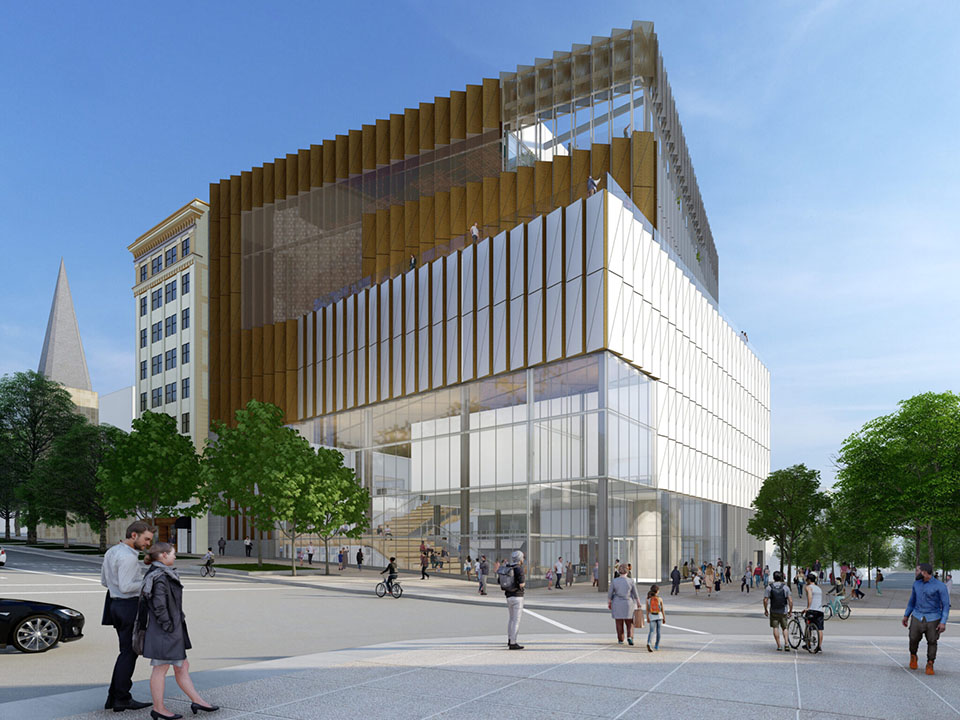
Five stories and 100,000 square feet of museum-grade electrical, lighting, and low voltage systems, now under construction for the Wisconsin Historical Society, a building that doubles its exhibit space.
The Wisconsin History Center sits on Capitol Square in Madison. WIL-Surge Electric is building the electrical infrastructure for the building, which adds powered classrooms, public galleries, rooftop terraces, and state-of-the-art technology systems to the Historical Society's home.
- Location
- Capitol Square, Madison, WI
- Built for
- Wisconsin Historical Society
- General contractor
- Findorff
- Size
- 100,000 ft²
- Stories
- 5
- Status
- Under construction, started 2025
- Our scope
- Electrical, lighting, fire alarm, and low voltage
Scope & Trades Self-Performed
Our in-house crews are delivering the building's electrical infrastructure: the power behind five floors of exhibits, classrooms, galleries, and rooftop terraces, the lighting across its galleries and public spaces, and the low voltage systems behind the building's state-of-the-art technology.
A museum asks more of its electrical systems than an ordinary office building. Galleries, classrooms, and public spaces all run on the same infrastructure, so it has to be planned for every kind of space from the start.
What Museums Ask of Electrical Systems
Museums and cultural buildings put unusual demands on their electrical infrastructure. In general, a single building has to power quiet galleries, busy classrooms, event spaces, offices, and back-of-house work areas at the same time, and each of those spaces uses power differently. Galleries change as exhibits rotate, classrooms fill and empty through the day, and public areas need to feel welcoming from opening to close.
Facilities like this benefit from power distribution planned with flexibility in mind: spare circuits near exhibit walls, floor boxes where displays are likely to land, and panels with room to grow. When an exhibit team wants to add an interactive display or a new case, the power should already be close by rather than requiring new work through finished spaces.
Lighting carries just as much weight. Gallery lighting generally needs to show objects clearly while limiting light exposure for sensitive materials, which is why museums often favor dimmable LED fixtures and adjustable track systems that can be re-aimed as exhibits change. Lobbies, classrooms, and terraces each call for their own approach, tied together with controls that staff can manage day to day.
Planning a Similar Cultural Building
Owners planning a museum, library, or cultural center should treat low voltage infrastructure as core building infrastructure, not an afterthought. Network cabling, wireless access, digital exhibits, and classroom technology all depend on pathways and telecom rooms that are much easier to plan early than to add later.
A few other questions are worth answering early in design: which spaces will host evening events and need their own lighting and power control, how exhibit changes will be powered without disrupting nearby galleries, and where future technology is likely to go. Outdoor areas such as terraces and courtyards also need fixtures and devices rated for Wisconsin weather.
Getting those decisions into the electrical design up front gives a building room to change with its collection. The result is a space that can take on new exhibits, programs, and technology for years without major rework, which is the kind of planning our electricians bring to public and cultural buildings across Wisconsin.
Related Services
The History Center is our anchor project in Madison. See our commercial contractors in Madison for work across Dane County, or explore the services behind this project:
Have a project like this one? Request a quote, or browse all our projects.
Have a project like this one?
Preconstruction support, budgeting, and design-build expertise, from a partner who self-performs the work.